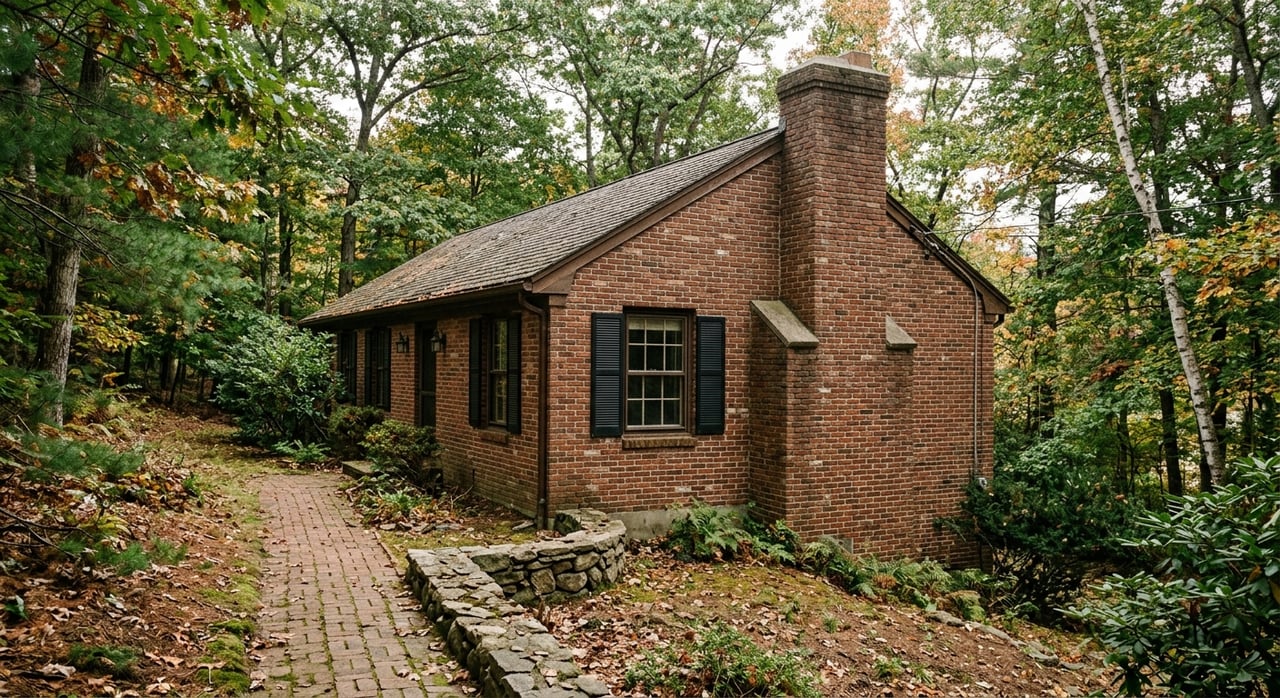
Buying A Historic Home In Flat Rock
June 18, 2026
June 18, 2026
Thinking about buying a historic home in Flat Rock? It is easy to fall for the charm first and ask questions later, especially in a place where architecture, landscape, and local history are so closely tied together. If you are considering this kind of purchase, you need more than a standard home search. You need a clear understanding of what makes these properties special, what to inspect carefully, and how renovation rules may affect your plans. Let’s dive in.
Flat Rock is not just a neighborhood with older houses. It is a historic residential community shaped around a granite outcrop, with roots as a summer retreat for Charleston families in the early nineteenth century.
That history still shows up in the local housing stock today. Much of the area was listed as the Historic Flat Rock District in 1973, and later documentation expanded the historical record. The result is a community where many homes reflect both nineteenth-century resort architecture and later year-round development.
For you as a buyer, that means one important thing: each property has its own story. A historic home in Flat Rock may include original features, later additions, updated systems, and repairs from different periods.
One of the biggest mistakes buyers make is assuming a historic home represents one perfectly preserved era. In Flat Rock, that is not always the case.
The area developed over time, so many properties show layers of change rather than one frozen architectural moment. A house may have a historic core with newer porches, altered windows, updated kitchens, or system upgrades added decades later.
That is not necessarily a problem. It simply means your inspection, renovation planning, and budget should account for the building’s full history, not just its curb appeal.
Flat Rock’s historic district includes a wide range of architectural styles. If you are touring homes here, it helps to know a few common visual cues.
These homes often feature mansard roofs, dormers, and ornate rooflines. If the upper portion of the roof looks steep and decorative, you may be looking at this style.
Look for steeply pitched roofs, decorative trim along the eaves, and pointed or ornamental arches. These homes often have a dramatic, storybook quality.
This style is known for visible stickwork, lattice trim, cutout details, and sunburst-like wood ornament. The craftsmanship can be one of the biggest draws for buyers who appreciate exterior detail.
Queen Anne homes are often asymmetrical and visually busy in the best way. You may see wraparound porches, spindlework, mixed wall materials, and multi-paned or stained-glass windows.
These styles tend to feel more formal and symmetrical. Common features include gabled or pedimented entries, columns or pilasters, and details like fanlights or Palladian windows.
Historic homes need a standard home inspection, but they also deserve a more targeted review. Older properties can hide issues that are easy to miss if you only focus on finishes and floor plans.
Uncontrolled moisture is one of the biggest causes of deterioration in older and historic buildings. When you tour a home, pay close attention to the roof, gutters, downspouts, grading, basement or crawlspace dampness, staining, rot, and corrosion.
Even a beautiful home can have costly moisture-related issues behind the scenes. Water management is often one of the most important parts of protecting a historic property.
Attics and basements often reveal how a house has changed over time. These areas may show older mechanical systems, previous repairs, and later alterations that tell you what has already been updated and what may still need work.
If you are serious about a property, these spaces deserve more than a quick glance. They often provide some of the clearest clues about the home’s condition.
Historic windows are a common concern for buyers, but replacement is not always the first or best answer. Preservation guidance often supports repair first, with weatherstripping or storm windows used to improve performance while keeping historic character.
If original windows are present, ask about their condition and whether they have been maintained. That can affect both your future costs and your renovation approach.
If a home was built before 1978, it may contain lead-based paint. Testing can be especially useful before you buy or before you start any renovation work that could disturb painted surfaces.
Asbestos is another potential concern in older materials. You cannot identify it by sight alone, so suspect material should be sampled by a properly trained and accredited professional if it is damaged or likely to be disturbed.
Mechanical, electrical, and plumbing systems in historic homes may need careful modernization. Even when a home has been updated, the work may have happened in stages.
That means you should avoid assuming every improvement will be simple or cosmetic. In many cases, thoughtful system upgrades are part of owning an older property well.
Before you buy, verify exactly what type of historic status applies to the property. This is one of the most important steps if you plan to make changes.
A home in the National Register historic district is not automatically subject to local landmark zoning restrictions simply because of that listing. National Register listing by itself does not place restrictions on what a non-federal owner may do.
That said, some properties may also be locally designated landmarks. In Henderson County, designated landmarks must receive a certificate of appropriateness for certain exterior modifications, alterations, or additions before building permits are issued for work such as construction, alteration, moving, or demolition.
Not every repair requires the same level of review. The local ordinance says ordinary maintenance or repair that does not change design, materials, or outward appearance is not prohibited.
That distinction matters if you are trying to plan costs and timing. A repair project and a visible exterior redesign can follow very different paths.
The Village of Flat Rock’s Historic Landmarks Commission helps owners and tenants plan alterations and navigate the application process. For a buyer, that support can be helpful if you want to update a property while respecting its historic character.
Knowing the approval path before you close can save you time, stress, and surprise expenses later.
Buying a historic home in Flat Rock is not about avoiding old-house quirks. It is about understanding them early and planning wisely.
A strong approach often includes:
This kind of planning helps you protect both your investment and the home’s character.
Some buyers wonder whether a historic home comes with tax incentives. In general, the federal Historic Preservation Tax Incentives program offers a 20% credit for certified historic structures in income-producing use.
That program does not apply to owner-occupied residential properties. If you are buying a home for your personal residence, you should not assume that a historic designation will create a residential tax credit.
A historic home in Flat Rock can be incredibly rewarding if you value architecture, craftsmanship, and a sense of place. These properties often offer details and setting that are hard to duplicate in newer construction.
At the same time, they usually require a more careful buying process. The right fit depends on your comfort with maintenance, your renovation goals, and your willingness to understand the property beyond surface charm.
If you are considering buying a historic home in Flat Rock, working with a local team that understands the area’s housing stock can make the process much smoother. When you are ready to explore homes, compare options, or talk through what to watch for, connect with Amy Laughter.
Stay up to date on the latest real estate trends.
Our approach is grounded in the core values of hard work, integrity, and delivering exceptional client service. We are dedicated to providing a seamless and positive experience throughout the entire process.