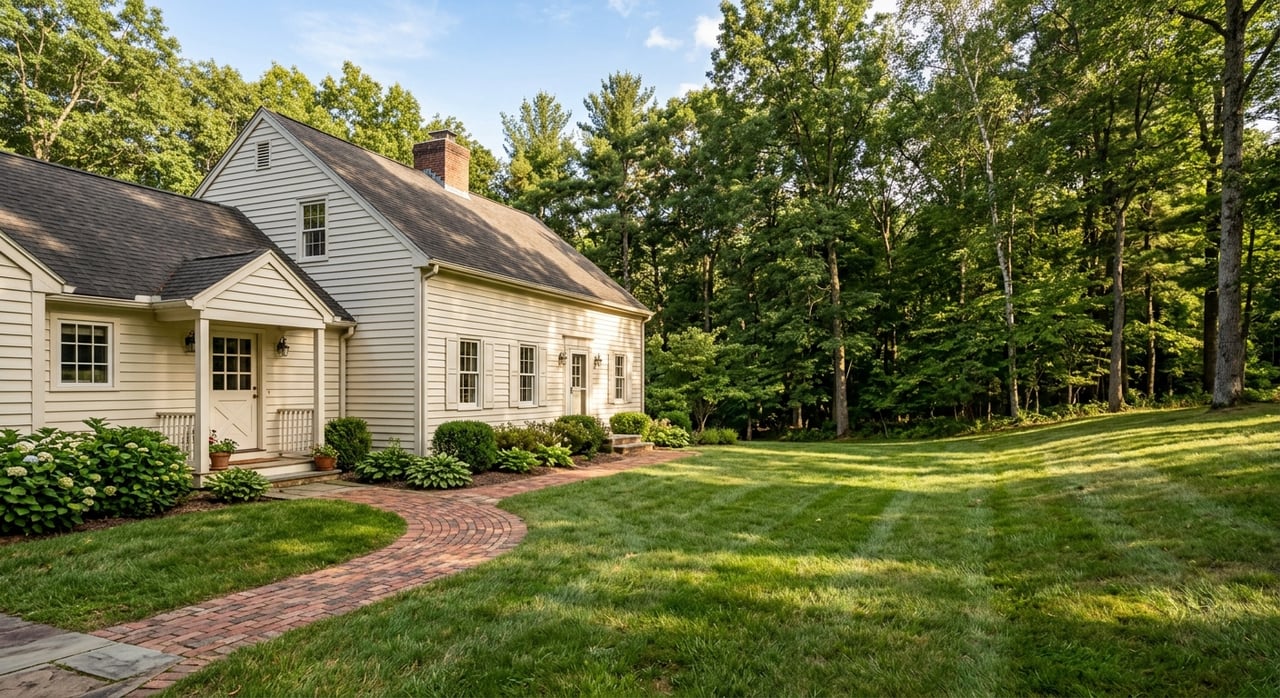
Mills River Homes vs Land: What Fits Your Plans?
July 9, 2026
July 9, 2026
If you are torn between buying a move-in-ready home or purchasing land in Mills River, you are not alone. It is a choice that often comes down to how you want to live, how much uncertainty you can handle, and how quickly you want to settle in. The good news is that Mills River offers real opportunities for both paths, and understanding the tradeoffs can help you move forward with more confidence. Let’s dive in.
Mills River gives you a blend of small-town setting and practical convenience that is hard to ignore. The town reports a population of about 7,413 spread across more than 22 square miles, and it sits within minutes of Pisgah National Forest, Interstate 26, and Asheville Regional Airport.
That location can appeal to buyers looking for room to breathe without feeling cut off from daily needs or regional travel. Mills River also highlights its strong agricultural history, which helps explain why many buyers are drawn to its rural character and larger-property feel.
Public recreation adds to the appeal. Mills River Park includes 48 acres with a 1.25-mile multi-use trail, courts, a dog park, a fishing pier, and a canoe and kayak launch.
If you are comparing a house to land, it helps to start with the current market. Redfin reported a median sale price of $540,000 for the three months ending May 2026, while Zillow placed the typical home value at $548,472 as of May 31, 2026.
That puts Mills River squarely in a market where both resale homes and buildable parcels require careful planning. Redfin also reported about 72 days on market, which suggests conditions that are active but not moving at an instant pace.
For you, that can mean there is time to think through your options, but not time to skip due diligence. The right choice usually depends less on the headline price and more on how much process you want to take on.
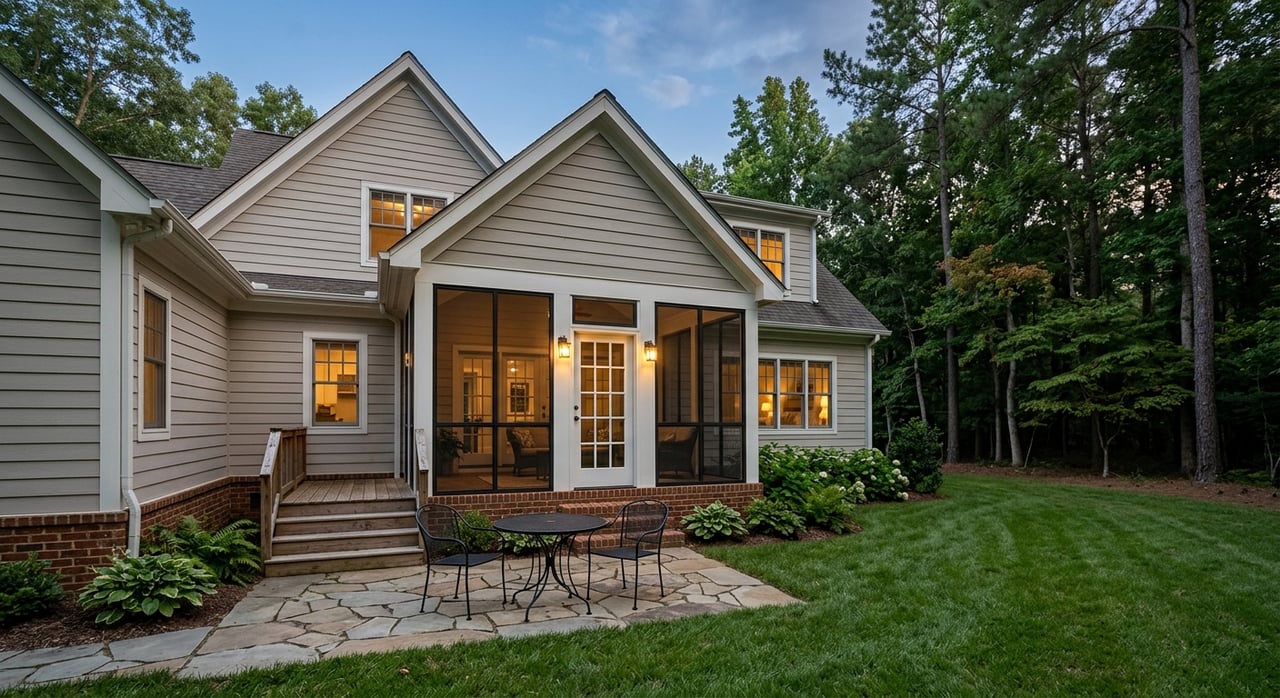
An established home is often the better fit if your top priorities are speed, predictability, and fewer moving parts. If you want a more standard closing process and a clearer path to move-in, a resale home usually gives you that.
One big reason is utilities. Mills River does not run its own water and sewer system, and residents are served by outside providers, including water service through Asheville or Hendersonville and wastewater service through MSD.
With an existing home, those utility connections are often already in place. That can remove one of the biggest unknowns that comes with raw land.
A resale home can also help you avoid the longer approval path tied to new construction. Henderson County says residential construction projects require permits and inspections unless excluded by code or law, and a new dwelling submittal may involve zoning approval, watershed review if applicable, erosion or stormwater review if applicable, septic authorization if applicable, and water or sewer tap receipts if applicable.
You may lean toward a home if you want:
For many buyers, that level of certainty matters. If you are relocating, balancing a sale and purchase, or simply want fewer surprises, a home often creates the smoother path.
Land or acreage can be a great fit if you want privacy, outdoor space, or a custom layout that is hard to find in existing inventory. If your long-term vision matters more than moving quickly, land can open the door to a very different lifestyle.
That said, Mills River is not a place where you want to assume a parcel will be easy to build on. Vacant land here can come with more rules and site questions than many buyers expect.
The town says roughly 15% of its land area is flood prone. Its 2025 Hazard Prevention Ordinance states that most development in flood-prone areas is prohibited, including single-family homes, and federally backed flood insurance is not available within the Town of Mills River.
That single point can change the value and usability of a parcel in a major way. Before you fall in love with acreage, you need to understand exactly where the buildable area is and whether development is even allowed.
Flood concerns are only part of the picture. Watershed districts can limit lot size and impervious coverage, which can affect where and how you build.
Mills River has also been updating its development rules through its Unified Development Ordinance project. The town says the update is designed to protect and preserve its rural and small-town character, and while the new UDO has been adopted, the current zoning map and development code remain valid only through August 31, 2026, with the new ordinance taking effect September 1, 2026.
If you are buying land, timing matters. A parcel should be evaluated under the ordinance in effect when you are making decisions, not based on old assumptions or casual advice.
For raw land, utility feasibility is often the first real yes-or-no issue. Henderson County Environmental Health evaluates septic sites based on conditions such as topography, soils, wetness, depth, restrictive horizons, and available space.
Only after approval does the county issue a Construction Authorization. The county also handles private well permits, and its fee schedule lists $400 for a septic Improvement Permit and Construction Authorization and $480 total for a new private well permit.
Those fees are only one part of the story. The larger point is that not every beautiful parcel will support the kind of home you have in mind.
Many buyers focus on the listing price of land and assume the hard part is over. In reality, the purchase price is only one piece of the full build budget.
National benchmarks help show why. The U.S. Census Bureau’s 2024 Survey of Construction found that 22% of U.S. single-family homes took 10 months or more from start to completion.
NAHB’s 2024 national cost survey found an average finished-lot cost of $91,057 and an average construction cost of $428,215. Those figures are national, not Mills River-specific, but they are useful reminders that building a home often takes more time and money than buyers expect.
If you choose land, you should plan for a longer runway. That means more decisions, more review steps, and more room in your budget for site-related costs.
Whether you are comparing a home to a parcel, a few local questions can help you make the right call.
Before buying land in Mills River, ask:
These questions can help you separate a promising parcel from one that may create major delays or limitations.
Before buying a home in Mills River, ask:
With a home, the goal is usually to confirm what already exists rather than prove what might be possible.
If you want speed, predictability, and a more straightforward path, a home usually fits better in Mills River. You can often move faster, understand your utility setup sooner, and avoid much of the permit chain that comes with new construction.
If you want privacy, customization, and more space, land may be the better long-term fit. You just need to be ready for deeper due diligence around floodplain status, watershed rules, utilities, septic, well approval, and current zoning standards.
Neither option is automatically better. The right answer depends on whether you value convenience now or flexibility over time.
In a market like Mills River, that choice is easier when you have local guidance and a clear plan before you write an offer. If you are weighing homes, acreage, or both in Western North Carolina, Amy Laughter can help you compare your options and move forward with confidence.
Stay up to date on the latest real estate trends.
Our approach is grounded in the core values of hard work, integrity, and delivering exceptional client service. We are dedicated to providing a seamless and positive experience throughout the entire process.