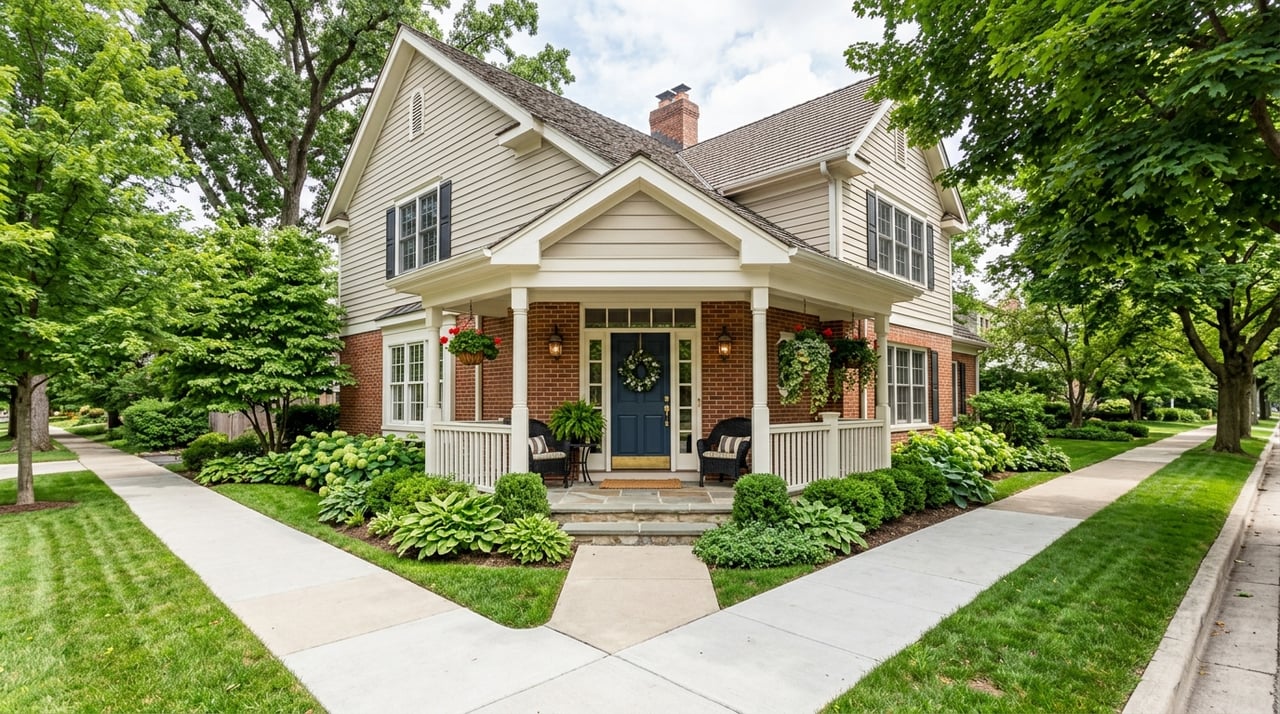
What Living in Hendersonville NC Looks Like In Town
June 11, 2026
June 11, 2026
If you want a neighborhood where you can grab coffee downtown, stroll a shaded trail, and still be home in minutes, Hendersonville’s in-town areas deserve a closer look. These neighborhoods offer a mix of everyday convenience, established homes, and a social calendar that keeps the city feeling active in every season. Whether you are planning a move, comparing neighborhoods, or thinking about selling, this guide will help you picture what daily life can look like here. Let’s dive in.
Hendersonville calls itself the City of Four Seasons, and that description fits daily life in the in-town core. As the county seat and commercial hub of Henderson County, the city blends small-city convenience with easy access to outdoor recreation and mountain downtime.
Much of that routine centers on downtown. The city highlights the restored historic courthouse at First and Main, the shops and services stretching north toward 7th Avenue, and a walkable downtown setting with wide sidewalks, planters, sidewalk dining, and public art.
For many buyers, that means your day can feel simple and connected. You may be close to errands, dining, local events, and neighborhood streets that still feel established and residential.
Several of Hendersonville’s best-known in-town districts sit close to the downtown core. West Side is one block west of downtown, Seventh Avenue Depot is two blocks northeast of Main Street, Hyman Heights is north of the business district, and Druid Hills is west of US 25 North across from Patton Park.
Each area has its own look and rhythm, but they share a few common threads. You will find older housing stock, mature trees in many sections, and convenient access to both downtown and local parks.
West Side sits just one block west of downtown, which makes it one of the easiest places to enjoy a true walk-near-downtown lifestyle. Its official district inventory shows a strong presence of bungalows, along with cottages, Colonial Revival, Tudor Revival, Dutch Colonial Revival, Four Square, Queen Anne, Shingle Style, Ranch, Minimal Traditional, and modern homes.
Most buildings are one story and arranged in even rows, with brick commonly used and some weatherboard or shingle exteriors. If you like variety in architecture without losing that cohesive in-town feel, West Side stands out.
Hyman Heights is north of the business district and was first platted in 1908. The neighborhood includes Craftsman Bungalow, Colonial Revival, Ranch, and Four Square styles, and its streets respond to the hilltop topography.
Tree-shaded streets and established homes help give Hyman Heights a settled, long-standing character. For buyers who want an in-town location with a bit of elevation and classic home styles, this area often draws attention.
Druid Hills was platted in 1923 and was designed with curving streets and mature trees. Its architecture includes multiple Craftsman Bungalows, Tudor Revival homes, and Colonial Revival houses.
That curvilinear layout can make the neighborhood feel distinct from a standard grid pattern. If you are drawn to older homes and a neighborhood plan with a more landscaped, early-20th-century feel, Druid Hills offers that experience.
Lenox Park is known for an intact grouping of Queen Anne, Four Square, and two-story gable-front houses, many dating from about 1908 through the 1920s. That makes it especially appealing if you appreciate homes with visible historic character.
Like other in-town districts, Lenox Park reflects Hendersonville’s early growth years. It can be a strong fit for buyers who want a neighborhood with a sense of continuity in its housing stock.
Main Street and Seventh Avenue Depot are better understood as commercial and mixed-use districts than purely residential neighborhoods. Main Street features brick- and stone-fronted commercial buildings, while Seventh Avenue Depot includes simple one- and two-story brick commercial and warehouse structures.
Even so, these areas help shape everyday in-town living. Being near them can mean easier access to local businesses, dining, events, and the walkable energy many people want when they picture living close to downtown Hendersonville.
One reason in-town Hendersonville appeals to so many buyers is that the lifestyle feels practical, not just charming. You are not only choosing a home style. You are choosing how your week flows.
Downtown can be part of your normal routine, whether that means walking Main Street, meeting friends for a meal, or handling errands without a long drive. The park-like streetscape and concentration of local businesses help make that pattern feel natural.
The city’s preservation history also adds context here. Early planned neighborhoods such as Druid Hills and Hyman Heights were developed with paved streets plus water and sewer service, which helps explain why many in-town streets still feel cohesive and established today.
Access to outdoor space is a big part of in-town life in Hendersonville. You do not have to leave the city behind to fit walking, biking, or recreation into your day.
The Oklawaha Greenway begins near Jackson Park and runs 3.25 miles to Berkeley Mills Park. It connects with Patton Park, Sullivan Park, and William H. King Memorial Park.
The city notes a ten-foot asphalt surface, quarter-mile markers, benches, and a mostly shaded route along Mud Creek. For many residents, that makes it a practical choice for a morning walk, an afternoon bike ride, or a casual weekend outing.
The Ecusta Trail corridor spans 19.4 miles between Hendersonville and Brevard, and the first 6 miles are open for walking, running, biking, and wheelchair use. The city also says ongoing bikeability and walkability efforts could eventually connect the Ecusta Trail to the Oklawaha Greenway and 7th Avenue.
That matters if you value long-term connectivity and active transportation options. Even now, the open sections add another layer to the area’s outdoor routine.
Jackson Park is the largest municipal-owned park in Western North Carolina, according to Henderson County. It includes tennis, pickleball, softball and baseball fields, soccer fields, basketball courts, a disc golf course, a mountain bike skills park, a nature trail, picnic shelters, and an entrance to the Oklawaha Greenway.
Smaller options like Sullivan Park, Patton Park, and William H. King Memorial Park add neighborhood-scale recreation. For buyers comparing in-town living with more outlying areas, this kind of park access can make a real difference in day-to-day quality of life.
Hendersonville’s in-town neighborhoods benefit from a downtown calendar that stays active through the year. That gives the city a social rhythm that goes beyond weekend tourism.
In spring, Garden Jubilee turns Main Street into one of Western North Carolina’s largest garden shows. Bearfootin’ bears also appear in spring and remain through October, supporting local nonprofits while adding a familiar visual tradition around town.
Summer keeps downtown busy with Music on Main, Monday night Street Dances, and Rhythm & Brews. In fall, the North Carolina Apple Festival anchors Labor Day weekend, and Art on Main brings another downtown art-focused event in October.
Winter has its own tradition with the Holiday Lighting Celebration. ArtScape banners also decorate Main Street for much of the year, helping downtown feel visually active even between major events.
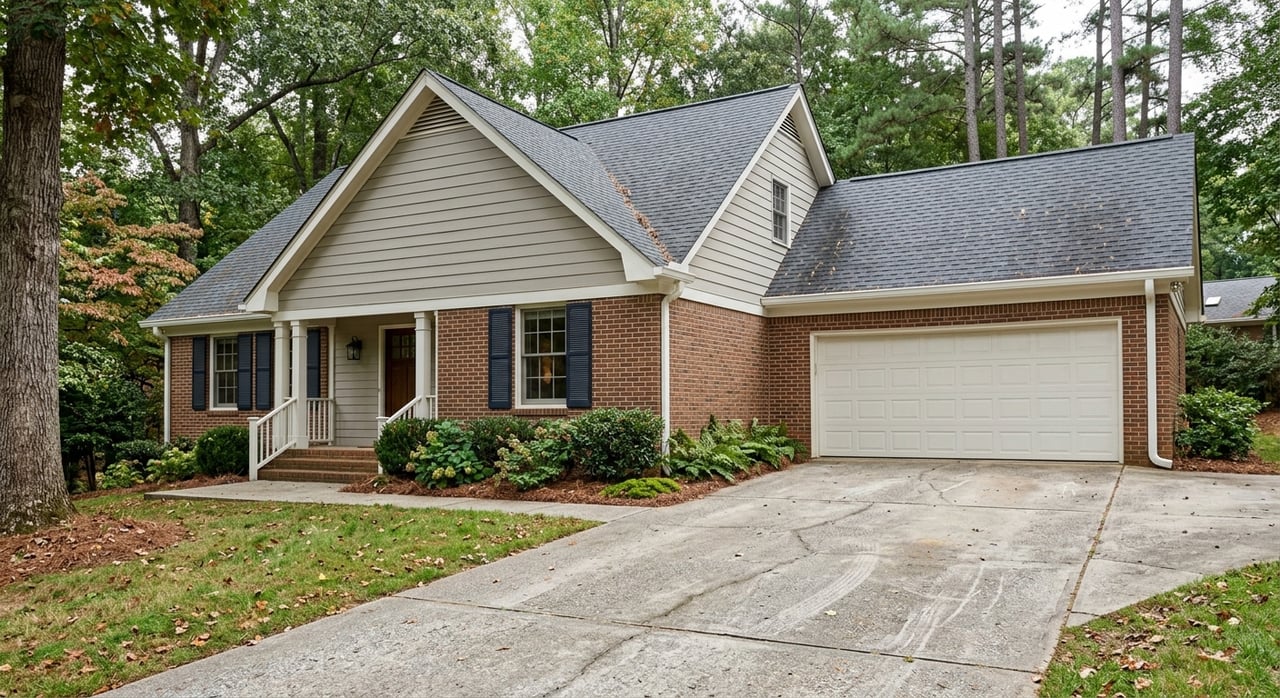
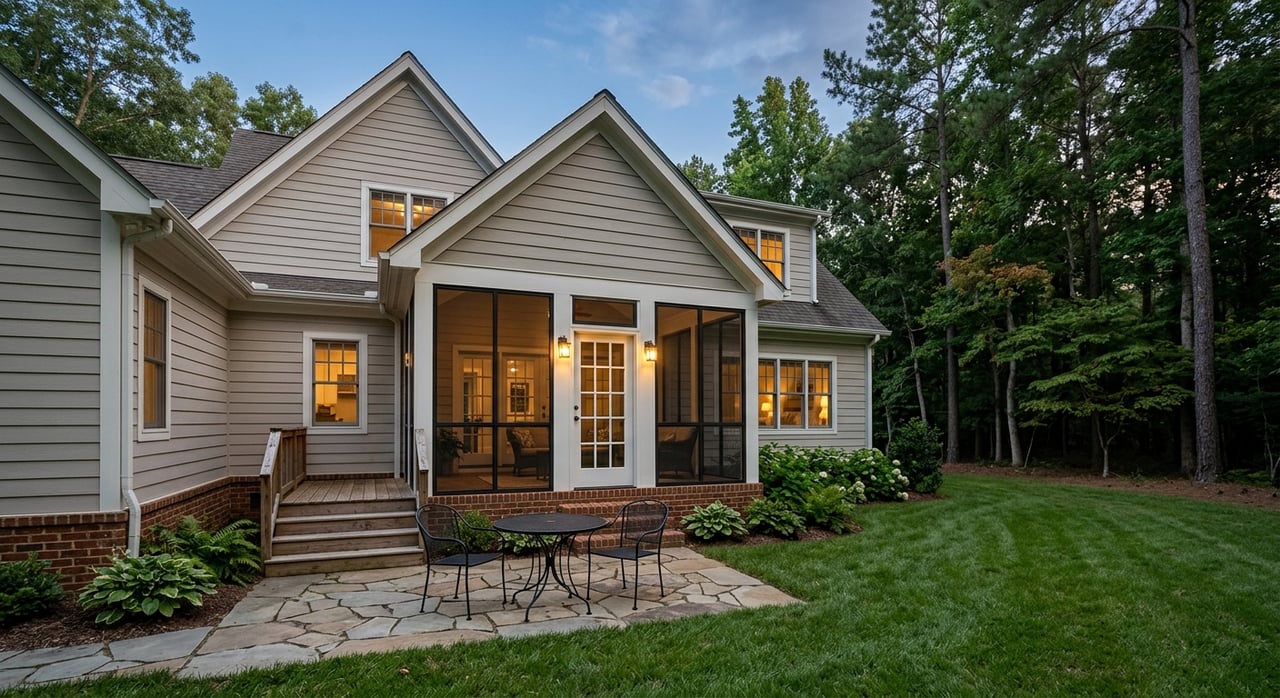
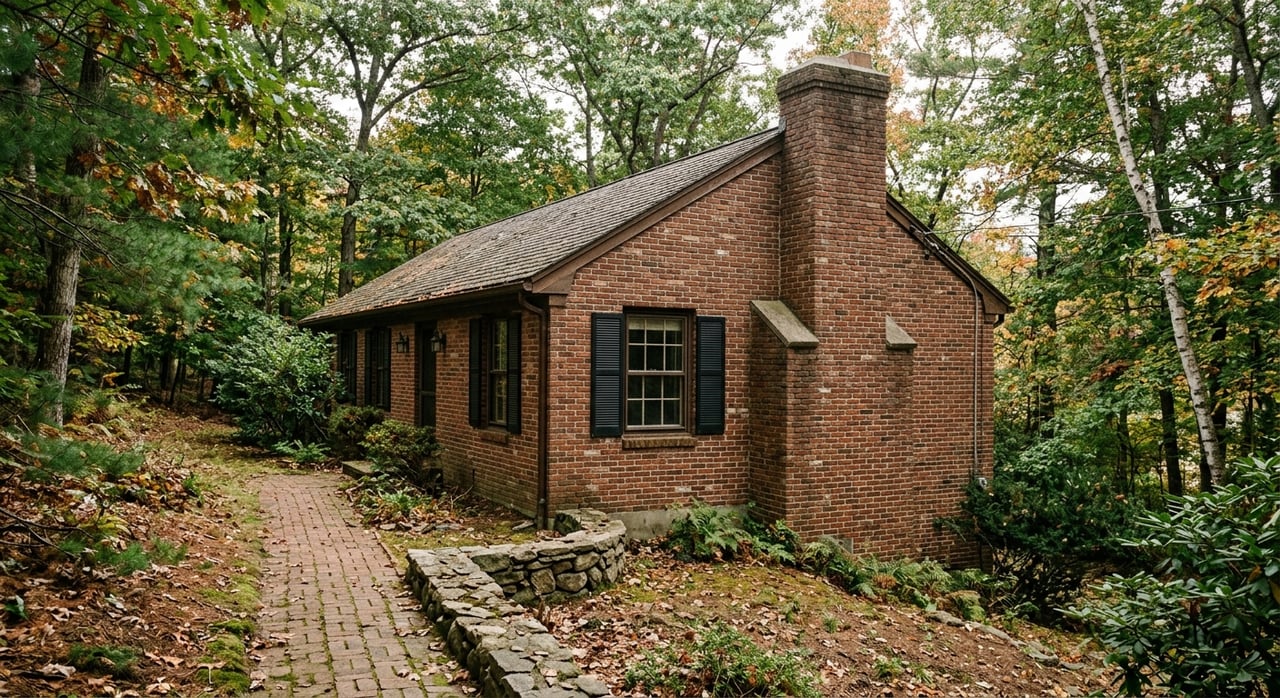
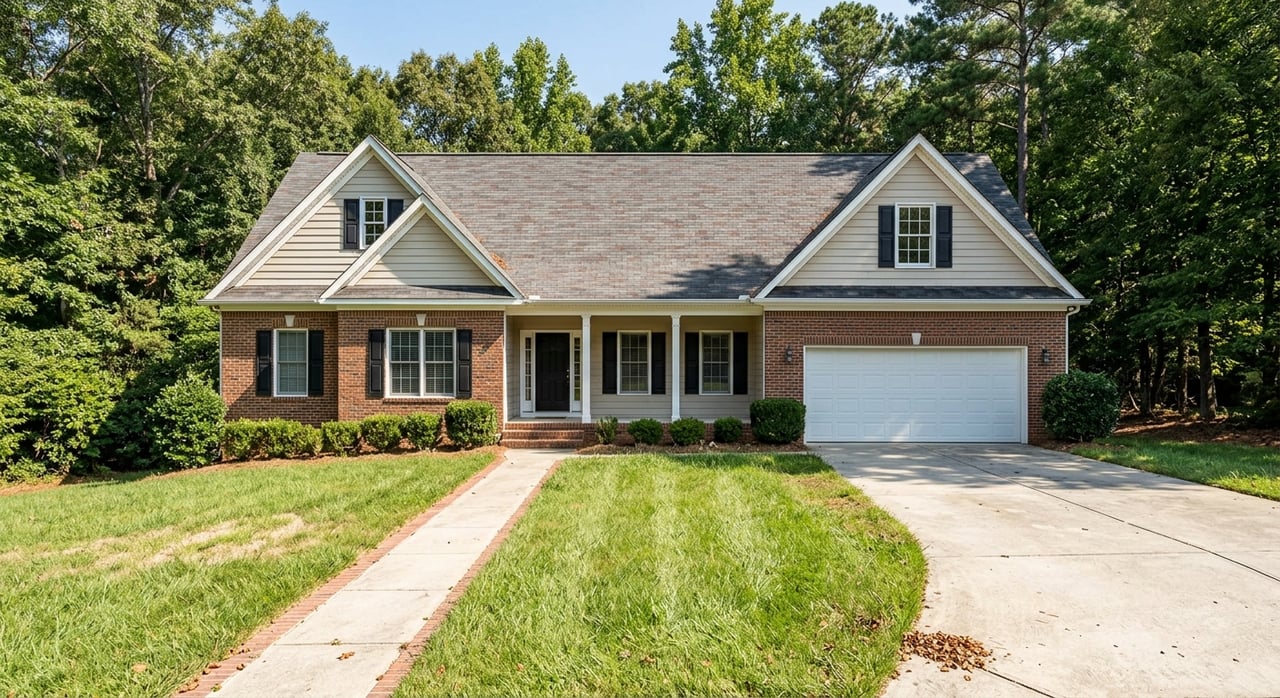
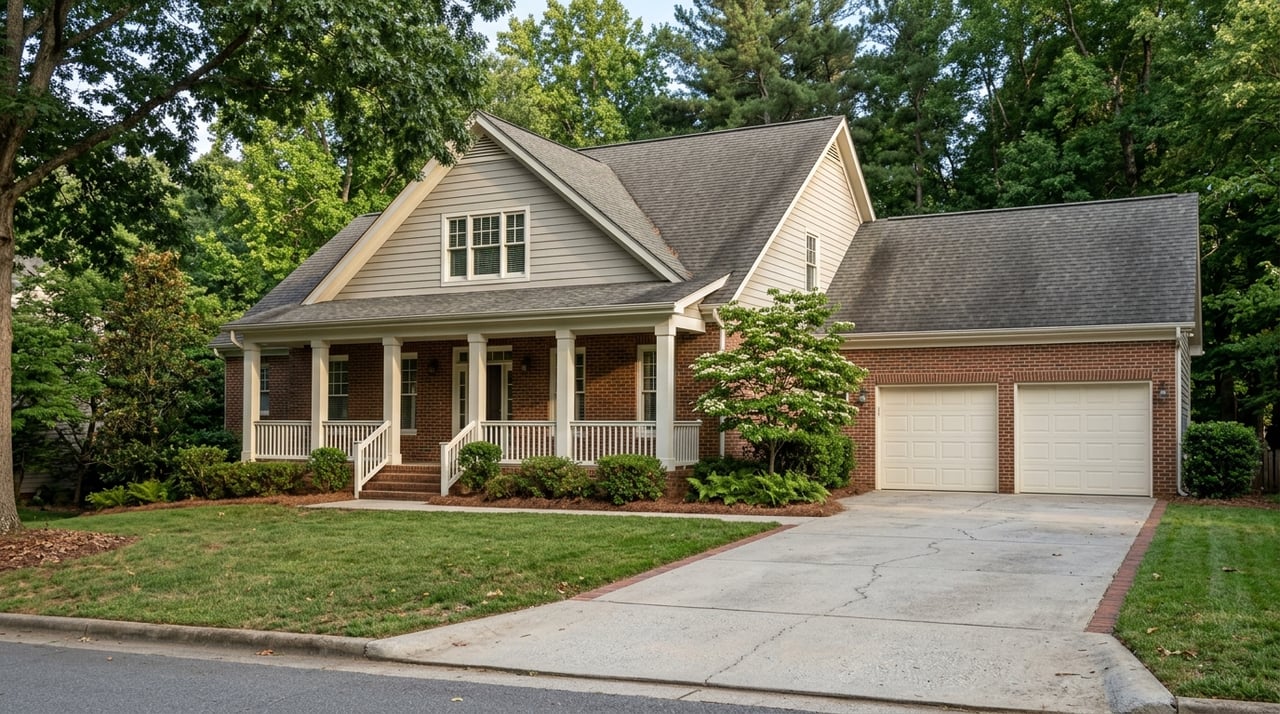
In-town Hendersonville is known for older housing stock and a broad mix of architectural styles. You may see bungalows, revival-style homes, Four Squares, cottages, ranch homes, and other early- to mid-century designs within a short distance of each other.
That variety is part of the appeal, but it also means homes can differ widely in layout, updates, lot shape, and maintenance needs. Two houses on the same street may offer very different living experiences.
A significant share of the in-town fabric also sits inside local historic districts. The city says exterior work in local districts such as Druid Hills, Hyman Heights, and Main Street may require a Certificate of Appropriateness.
Properties in National Historic Districts may also be eligible for state and federal tax credits for approved renovations. For buyers, that means it is smart to understand both the benefits and the responsibilities that can come with owning in a preservation-minded area.
If you are selling in one of Hendersonville’s in-town neighborhoods, lifestyle is often part of the story. Buyers are not just evaluating square footage. They are looking at proximity to downtown, neighborhood character, parks, trails, and the feel of daily life.
Features that often matter in these areas include walkability to downtown destinations, access to the Oklawaha Greenway or nearby parks, mature landscaping, and the architectural details that help older homes stand out. Clear presentation also matters because in-town homes often attract buyers who are comparing character, condition, and location very carefully.
This is where local neighborhood knowledge becomes especially valuable. When your home’s setting is part of its appeal, strong marketing should explain not only the property itself but also how the location supports everyday living.
The in-town Hendersonville market is appealing because it is layered. You are looking at architecture, district boundaries, proximity to downtown, access to trails and parks, and in some cases historic district guidelines.
That is why working with a local team can make the process smoother. Whether you are buying your next home, relocating to the area, or preparing to sell, neighborhood-specific guidance helps you make decisions with more confidence.
If you are thinking about buying or selling in Hendersonville’s in-town neighborhoods, Amy Laughter can help you understand the market, evaluate your options, and move forward with clear local insight.
Stay up to date on the latest real estate trends.
Our approach is grounded in the core values of hard work, integrity, and delivering exceptional client service. We are dedicated to providing a seamless and positive experience throughout the entire process.