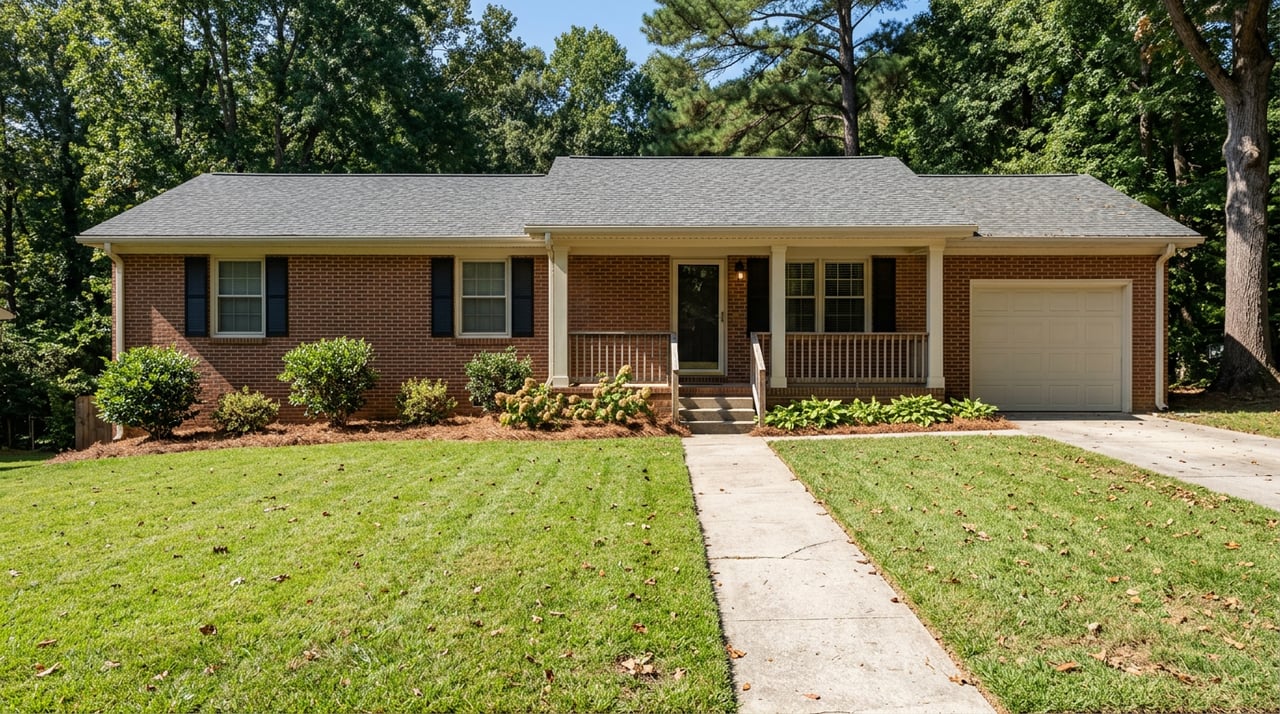
Downsizing in Asheville NC and Nearby Mountain Communities
March 5, 2026
March 5, 2026
Thinking about trading stairs and yard work for something simpler in the mountains? You are not alone. Many Asheville and Buncombe County homeowners are right-sizing to easier homes that fit the next chapter without giving up what they love about Western North Carolina. In this guide, you will learn how today’s 2026 market supports a smooth downsizing move, where to look, how to weigh footprint and maintenance, and smart ways to time your sale and purchase. Let’s dive in.
As of early 2026, the Asheville area has shifted toward a more balanced market, with more inventory and longer days on market than the peak years. That gives you more room to negotiate timing and contingencies than in 2020–2022. Recent snapshots show Asheville’s median sale prices vary by source, generally landing in the mid-$400Ks to $600Ks range, with days on market rising into late 2025 and early 2026. You can see this trend in the Asheville market tracker from Redfin’s latest report and the regional summary from Canopy Realtors’ January 2026 update.
County-level snapshots also help set expectations. Listing-led data shows Buncombe County medians in the high-$500Ks, and reports note inventory growth with longer marketing times. That combination rewards proper pricing and light prep for sellers while giving buyers flexibility on terms. For a quick county overview, check Realtor.com’s Buncombe County summary.
Bottom line for downsizers: you have more choices and more ways to sequence your move. The right plan depends on the neighborhood and property type you target.
Each nearby town offers a different mix of walkability, lot size, and pace. Start with how you plan to live day to day, then pick the micro-market that supports it.
If you want a lock-and-leave setup near restaurants, parks, and arts, a condo or townhome in or near Asheville can be a great fit. You trade most exterior maintenance for a monthly HOA fee and community rules. Smaller footprints reduce cleaning and repair surprises, and many buildings offer elevators or single-level layouts.
South of Asheville, Arden offers many newer developments and single-level homes on gentler lots. If you prefer a private yard without steep drives, this is a strong option. Pricing often lands around the low-to-mid $500Ks depending on the exact neighborhood and month, with variations by vendor data. You stay close to Asheville amenities while making daily living simpler.
About 30 to 40 minutes south of Asheville, Hendersonville and Flat Rock deliver a quieter pace with lower-density neighborhoods and a small-town feel. Medians commonly fall in the $400Ks to $600Ks band depending on the community and month. Downsizers like the easier yard maintenance and relaxed downtowns while keeping quick access to the region’s healthcare, dining, and outdoor recreation.
Right-sizing is not only about square footage. It is about how your home lives.
Budget realistically for ongoing maintenance. A common rule of thumb is to plan for 1 to 4 percent of your home’s value per year depending on age and condition, as summarized by This Old House’s homeowner budgeting guidance. Smaller, newer, and well-maintained homes often sit toward the lower end. An on-site evaluation and a pre-listing inspection help you identify near-term items so you can plan with confidence.
Small changes can make a big difference in comfort and safety. Many downsizers complete a light accessibility tune-up right after move-in so the home stays friendly for years.
A targeted $5,000 to $50,000 plan, phased over time, is common for retirees who want to extend independent living. For ranges and planning tips, see AARP’s overview of aging-in-place costs. Always get an on-site estimate before committing to a project.
Coordinating dates is the key to a low-stress move. In today’s more balanced conditions, you have options.
This is the lowest risk path if you want your proceeds in hand. It works well when you can manage a short rental or stay with family between homes. With inventory up and days on market longer in early 2026, this approach often fits Buncombe County conditions highlighted in the Canopy Realtors January 2026 report.
If you find the right home before selling, short-term financing can bridge the gap. Common tools include bridge loans, HELOCs, or pledged-asset lines. Each has different rates, fees, and timelines. A practical guide to compare pros and cons is this overview of bridge loans and alternatives from Gelbart Realty Group. Ask a local lender to pre-underwrite your terms so you know your limits and payoff timing.
In a balanced market, you can sometimes write a home-sale contingency when buying. On the selling side, a rent-back agreement lets you stay in your home for a fixed period after closing while you complete your purchase. Clear terms matter: daily rent, deposit, insurance, and a firm move-out date. For a plain-English explainer, see this rent-back overview.
Having the right people in place reduces surprises and speeds up decisions.
Downsizing often means letting go of items you no longer need. Create a release plan that respects value and timelines.
Your agent can recommend vetted local providers. If you prefer to start a wider search, national directories list estate-sale and liquidation companies with reviews and services.
A few financial checkpoints help you plan with clarity.
Define your lifestyle goals. Walkability vs privacy, HOA vs yard, single-level vs elevator, and proximity to healthcare, friends, and hobbies.
Pick your target area. Asheville condo or townhome for low maintenance, or a single-level home in Arden, Hendersonville, or Flat Rock for easier lots and privacy.
Run the numbers. Estimate monthly costs, HOA dues, and annual maintenance using the 1 to 4 percent rule of thumb. Include a modest accessibility budget if needed.
Choose your move timing. Decide whether to sell first, buy first with a bridge or HELOC, or use a contingency. Ask a lender to pre-underwrite your plan.
Prep your current home. Declutter, schedule photography, complete light repairs, and consider a pre-listing inspection to boost buyer confidence.
List and tour in parallel. While your home hits the market, preview target neighborhoods and refine your must-haves.
Negotiate timing tools. Use contingencies or a rent-back to bridge gaps, and confirm appraisal and closing windows early.
Execute the move. Book movers and storage, coordinate estate sale or donation pick-ups, and schedule accessibility updates for week one in your new home.
Ready to explore the best fit for your next chapter in Asheville, Arden, Hendersonville, or Flat Rock? Reach out to talk through your timing, budget, and neighborhood priorities. You will get a clear plan, neighborhood-level insights, and hands-on help from search to closing. Connect with Amy Laughter to get started.
Stay up to date on the latest real estate trends.
Our approach is grounded in the core values of hard work, integrity, and delivering exceptional client service. We are dedicated to providing a seamless and positive experience throughout the entire process.