Selling a Home in Fairview: How to Get Ready to List
May 7, 2026
May 7, 2026
Thinking about selling your Fairview home? In a market where buyers are comparing options carefully, the homes that feel clean, well cared for, and correctly priced tend to make the strongest impression. If you want to stand out without overspending, a smart prep plan can help you focus on what matters most. Let’s dive in.
Recent market snapshots point to the same big picture in Fairview and Buncombe County: buyers are paying attention to value, condition, and presentation. Realtor.com’s April 2026 Fairview data shows 117 homes for sale, a median listing price of $649,500, a median sold price of $508,750, 113 median days on market, and a 97% sale-to-list ratio. Redfin’s March 2026 Buncombe County data shows homes selling at 96.8% of list price with 123 median days on market.
The exact figures vary by source, but the takeaway is consistent. Buyers have options, and they are not rushing past visible issues. That means your pre-listing work should focus on making your home look well maintained, easy to understand, and move-in ready.
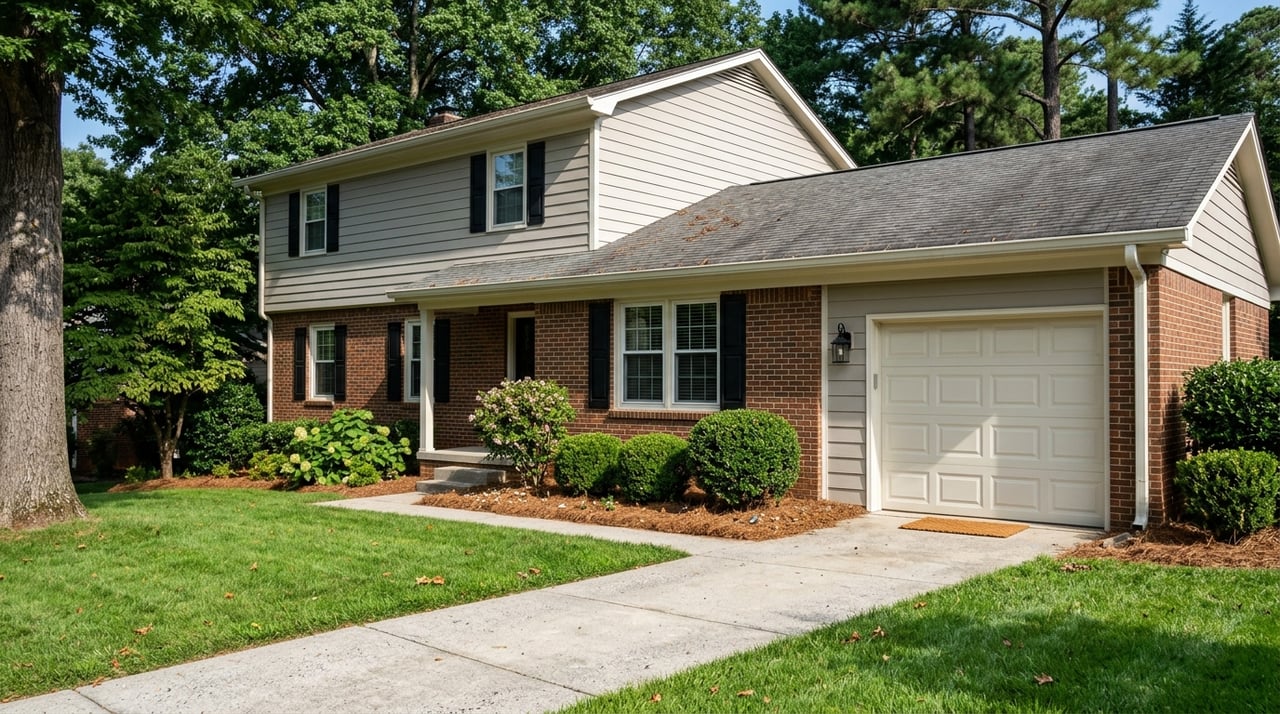
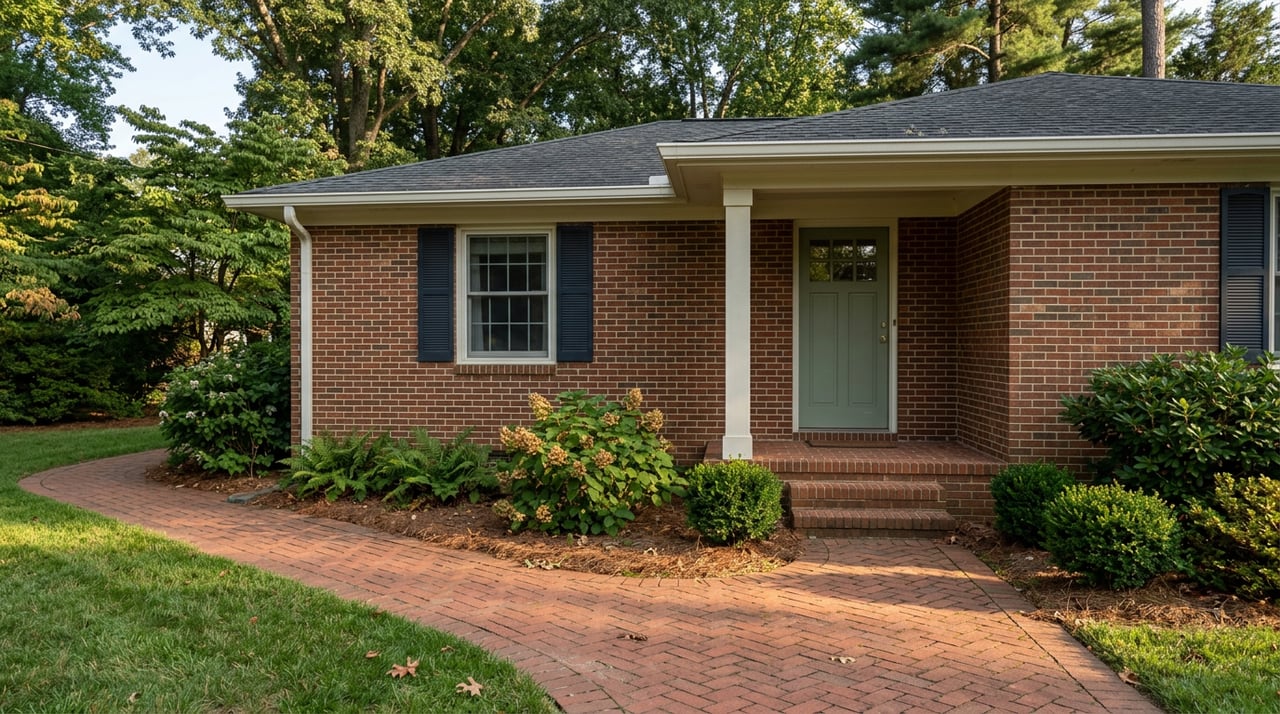
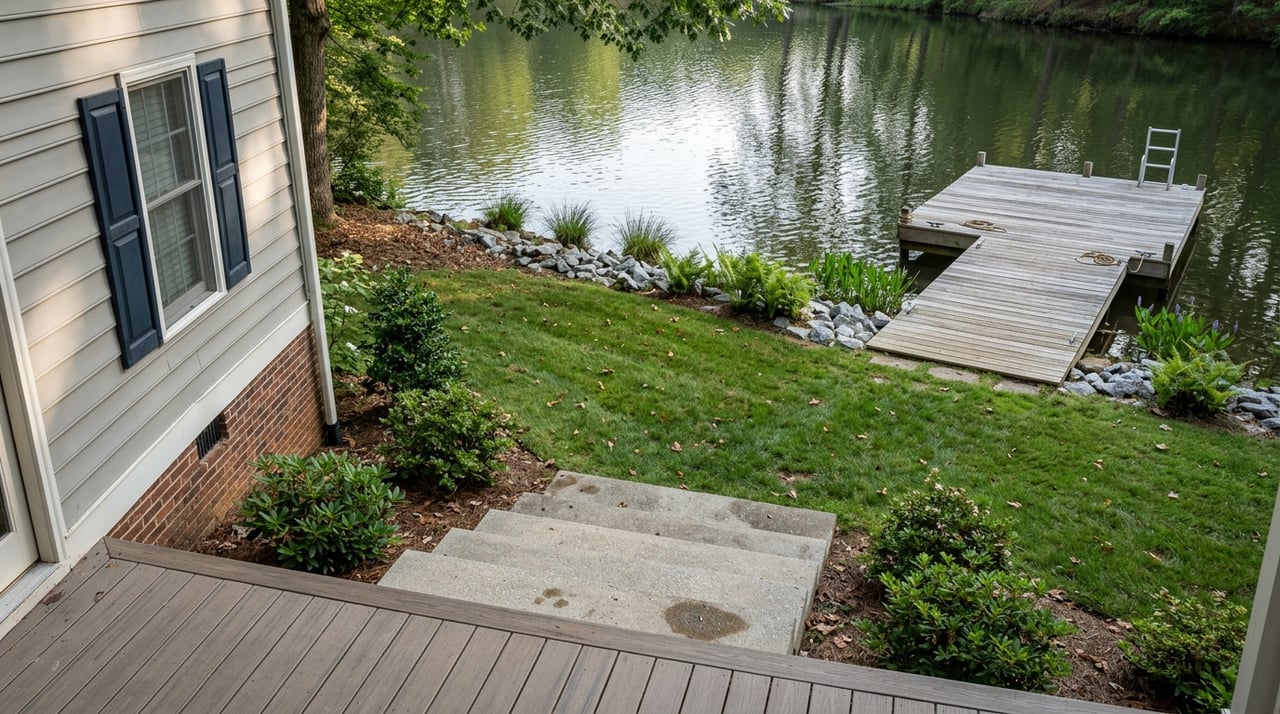
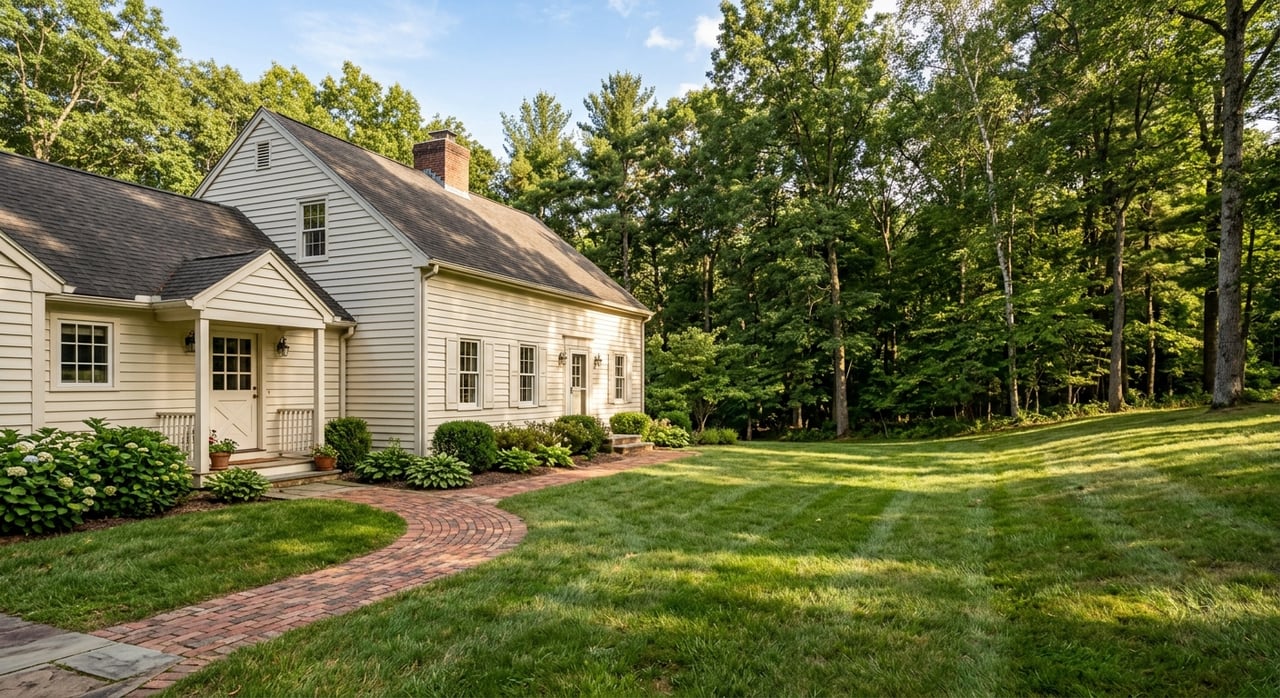
Your exterior sets the tone before a buyer ever walks through the front door. NAR’s 2025 outdoor features research found that 92% of REALTORS recommend curb appeal improvements, with standard lawn care and landscape maintenance among the most valuable projects.
In Fairview, that does not have to mean a major overhaul. In most cases, simple exterior updates can do more for your first impression than an expensive project with uncertain payoff.
Start with the basics that signal care and upkeep:
These improvements help your home feel brighter, cleaner, and more inviting. They also support the idea that the property has been maintained over time.
Once buyers step inside, they want to picture how the home lives. NAR’s 2025 staging report found that 83% of buyers’ agents said staging makes it easier for buyers to visualize a home as their future place. The rooms staged most often were the living room, primary bedroom, and dining room.
That does not mean you need to fully redecorate. For many sellers, the better move is to create a neutral, uncluttered, bright feel that helps buyers focus on the space instead of your stuff.
If your budget or time is limited, focus first on:
These spaces often shape a buyer’s overall impression. When they feel open, clean, and functional, the whole home tends to show better.
Work through these practical steps before photos and showings:
The goal is not to make your home look empty. The goal is to make it feel spacious, calm, and easy for a buyer to understand.
In a market where homes may take longer to sell and sale-to-list ratios are below peak frenzy levels, buyers are more likely to notice small defects. Based on Buncombe County market conditions and NAR staging guidance, obvious maintenance issues can hurt buyer confidence more than unfinished cosmetic wish-list items.
Before you spend money on trendy upgrades, take care of the items that suggest deferred maintenance.
Pay close attention to:
These are often inexpensive fixes, but they can have an outsized impact. Buyers may see a few small issues and start wondering what bigger problems they cannot see.
You do not always need to replace a major system before listing. In many cases, the better strategy is to address problems that are visible, safety-related, or likely to come up in disclosures or inspections, then price the home with the remaining condition in mind.
This is especially important if you are trying to balance cost and return. A polished, well-maintained home with honest documentation often performs better than a home with one expensive upgrade but several unresolved maintenance concerns.
Before replacing a roof section, HVAC unit, or other major component, consider:
A local pricing and marketing strategy matters here. The right next step depends on the home’s condition, competition, and likely buyer expectations in Fairview.
One of the easiest ways to reduce stress later is to collect your documents before your home goes live. North Carolina requires a residential property disclosure statement covering items the owner actually knows about, including water and septic, roof and structural components, plumbing, electrical, heating, cooling, wood-destroying insects, zoning and covenants, and environmental contamination.
If your home is part of an owners’ association or subject to mandatory covenants, a separate association disclosure may also be needed. That disclosure includes items such as dues, assessments, transfer fees, and association contact information.
Try to gather:
Having this ready early can help you answer buyer questions with confidence. It also helps your sale feel more organized and transparent from the start.
This matters in Buncombe County because many properties rely on private systems. Buncombe County Environmental Health says roughly half the county depends on septic systems, and the county handles permitting and inspections for septic systems and private drinking water wells.
If your Fairview property has a septic system or private well, buyers may want a clear paper trail. Gathering those records early can prevent delays once your home is under contract.
Look for:
If you know there have been issues, be ready to discuss what was repaired and when. Buyers are often more comfortable with a documented history than with missing information.
In Western North Carolina, moisture management can matter a lot. Buncombe County notes that mold problems require finding and fixing the moisture source, not just cleaning visible growth. For sellers, that makes drainage and moisture issues worth addressing before listing.
If your home has had crawlspace dampness, grading issues, gutter overflow, or water intrusion, do not ignore it. Buyers may notice staining, musty smells, or signs of repeated moisture even if the problem seems minor.
Before listing, inspect:
If you complete drainage work or repairs, keep the receipts and any contractor notes. Documentation can help show that the issue was addressed thoughtfully.
If you have completed remodels, repairs, additions, or site work, it is smart to review whether permits were required. Buncombe County’s Permitting Division handles permits for remodels, upfits, and repairs, and the county also regulates work in the 100-year floodplain.
That matters if you are planning any last-minute pre-listing work too. Drainage projects, grading, retaining walls, additions, or major repairs may need review before work begins.
Review records for:
A clear permit history can reduce questions during due diligence. If paperwork is missing, it is better to find that out early than in the middle of negotiations.
If your home was built before 1978, federal law requires disclosure of known lead-based paint information before sale. That includes sharing available records or reports, providing the required lead pamphlet, and giving buyers a 10-day opportunity to conduct a paint inspection or risk assessment.
This does not mean every older home has a major issue. It does mean you should be prepared with the proper disclosure steps if your Fairview home falls into that age range.
The best low-cost improvements are usually the most practical ones. Based on NAR’s staging and outdoor-features research, sellers often get the most value from lawn care, landscaping, entry cleanup, neutral paint, deep cleaning, and decluttering.
That is good news if you want a smart return on your time and money. In many cases, these simple improvements do more to help your home compete than expensive cosmetic projects.
If you are not sure where to begin, follow this sequence:
This order helps you avoid spending money out of sequence. It also keeps your prep focused on what buyers are most likely to notice first.
Selling in Fairview does not require perfection. It requires a thoughtful plan, attention to condition, and a presentation that helps buyers feel confident about your home. If you want expert guidance on what to fix, what to skip, and how to position your property in today’s market, Amy Laughter can help you take the next step with local insight and hands-on support.
Stay up to date on the latest real estate trends.
Our approach is grounded in the core values of hard work, integrity, and delivering exceptional client service. We are dedicated to providing a seamless and positive experience throughout the entire process.